
What to Expect During Your First Panchakarma Treatment
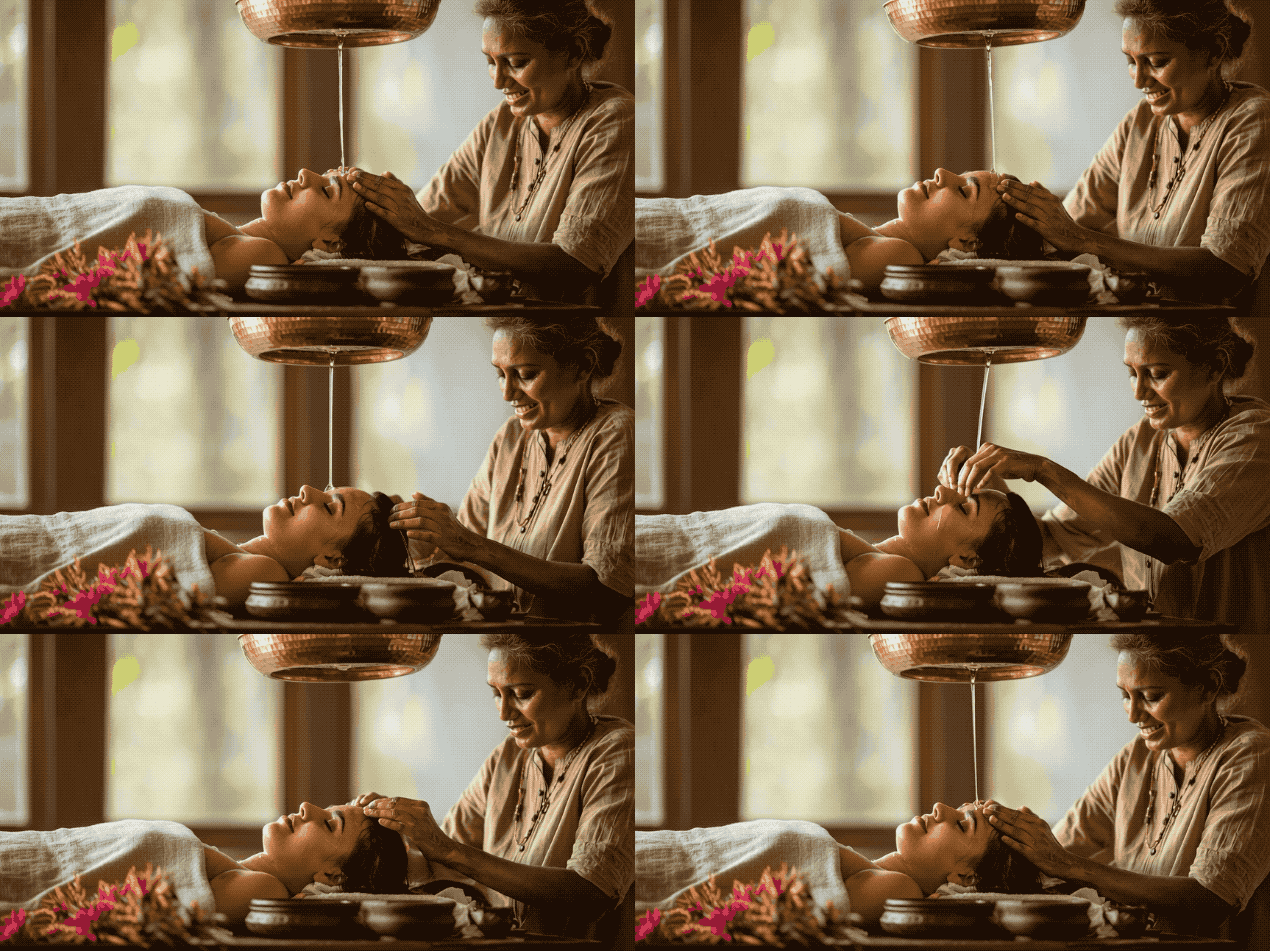
You've decided to try Panchakarma - congratulations on taking this step toward deep healing. But if you're like most first-timers, you probably have questions: What exactly will happen? Will it hurt? How will I feel? What should I bring?
As someone who has guided over 500 patients through their first Panchakarma experience, I'll walk you through everything - from the moment you arrive to what happens after you leave. This is the guide I wish every first-timer could read before starting.
Before You Start: Key Mindset
Panchakarma isn't a spa vacation - it's a medical detoxification protocol. You're not here to relax (though you will), you're here to heal. This requires active participation, patience, and trust in the process.
Duration: Most first-time programs run 14-21 days for complete Panchakarma. Shorter 7-day programs offer partial benefits but won't include all five purification procedures.
Pre-Treatment Phase (Days 1-3): Assessment & Preparation
Day 1: Arrival & Initial Consultation
What Happens:
- •Check-in & Orientation: Settle into your room, meet staff, understand facility rules
- •Comprehensive Health Assessment: 60-90 minute consultation with your BAMS doctor
- •Nadi Pariksha (Pulse Diagnosis): Doctor reads your pulse to assess dosha imbalances
- •Prakriti & Vikriti Analysis: Determine your natural constitution and current imbalances
- •Treatment Plan Creation: Personalized protocol based on your condition and goals
Pro Tip: Bring all recent medical reports, list of current medications, and write down your health questions beforehand. The more information your doctor has, the better they can customize your treatment.
Days 2-3: Purvakarma (Preparatory Treatments)
Before the main detox procedures, your body needs preparation. Think of this as "loosening" the toxins (ama) so they can be eliminated effectively.
Snehana (Internal & External Oleation)
Internal: You'll drink medicated ghee (clarified butter) on an empty stomach. Sounds unpleasant, but it's tolerable when done correctly.
- • Day 1: 30ml medicated ghee
- • Day 2: Increased to 60ml
- • Day 3: Up to 90ml (based on tolerance)
External: Daily full-body oil massage (Abhyanga) with warm medicated oils specific to your dosha.
Swedana (Steam Therapy)
After oil massage, you'll sit in a steam chamber (head outside) for 15-20 minutes. The heat helps oil penetrate deeper and mobilizes toxins.
How it feels: Relaxing initially, then quite hot. You'll sweat profusely. Completely normal and therapeutic.
Main Treatment Phase (Days 4-18): Pradhana Karma
This is where the actual detoxification happens. Depending on your condition, you'll undergo one or more of the Panchakarma procedures. Not everyone does all five - your doctor selects what you need.
Virechana (Purgation Therapy)
Most common procedure for Pitta disorders, skin issues, digestive problems, and general detox.
What to Expect:
- 1.You'll drink a herbal purgative medicine early morning (6-7 AM)
- 2.Within 1-3 hours, you'll have multiple bowel movements (typically 8-12)
- 3.Stools become progressively lighter in color as toxins are eliminated
- 4.You'll stay near bathroom facilities all day - this is intense
Honest Truth: Virechana day is challenging. You'll feel weak, tired, and spend most of the day in the bathroom. But by evening, many patients report feeling remarkably lighter and clearer.
Staff monitors you throughout. You'll receive ORS (oral rehydration) and be advised when it's safe to eat light food.
Vasti (Medicated Enema)
Considered the most powerful Panchakarma procedure, especially for Vata disorders (joint pain, anxiety, neurological issues).
What to Expect:
- •Usually given in a cycle of 8-30 days (alternating oil and decoction enemas)
- •Administered by trained therapists in privacy
- •You'll hold the liquid for prescribed time (15-30 minutes for oil, shorter for decoction)
- •Mild cramping is normal; severe pain is not (inform doctor immediately)
"I was nervous about Vasti, but it was far less uncomfortable than I imagined. By day 5, my chronic lower back pain that I'd had for 3 years was 50% better."
Nasya (Nasal Administration)
Medicated oil or powder administered through nostrils. Excellent for headaches, sinusitis, allergies, and mental clarity.
What to Expect:
- •Face and head massage with warm oil first
- •Lie down with head tilted back
- •Medicated drops instilled in each nostril
- •You may feel tickling, slight burning, or drainage - all normal
- •Rest for 15-20 minutes afterward
Daily Routine During Treatment
Typical Treatment Day Schedule
What You Can & Cannot Do
Strictly Avoid:
- ✗Alcohol, tobacco, caffeine
- ✗Sexual activity (depletes energy needed for healing)
- ✗Strenuous exercise or gym workouts
- ✗Outside food (breaks the therapeutic diet)
- ✗Late nights, excessive screen time
- ✗Cold showers (only lukewarm water)
- ✗Stressful work or arguments
Encouraged:
- ✓Rest, rest, and more rest
- ✓Light walking (15-20 minutes max)
- ✓Reading, journaling, meditation
- ✓Warm water intake (sip throughout day)
- ✓Following all dietary guidelines
- ✓Early sleep (by 9-10 PM)
- ✓Communicating with doctors about how you feel
Common Experiences & How to Handle Them
Feeling Weak or Tired
Emotional Ups and Downs
Skin Breakouts or Rashes
Digestive Changes
Unusual Dreams or Better Sleep
Post-Treatment Phase (Days 19-21): Paschatkarma
The final phase is crucial - this is when your body rebuilds and strengthens. Many people neglect Paschatkarma and lose benefits.
Samsarjana Krama (Dietary Rehabilitation)
Your digestive fire is reset to an infant-like state. Foods are reintroduced systematically:
Packing List for First-Timers
Clothing:
- • 4-5 loose cotton sets
- • Old clothes (oil stains)
- • Light shawl/wrap
- • Comfortable walking shoes
- • Rubber slippers for bathroom
Personal Care:
- • Toothbrush, toothpaste
- • Soap (mild, natural)
- • Basic skincare (avoid makeup)
- • Sanitary products if needed
- • Prescription medications
Essentials:
- • Medical reports
- • Journal & pen
- • Books (non-stimulating)
- • Water bottle
- • Don't bring: laptop, heavy work
Ready to Begin Your Panchakarma Journey?
Book a free consultation to discuss your specific health concerns and get a personalized treatment plan. Our doctors will answer all your questions and ensure you're fully prepared.
Related Articles
Heal Good, Not Just Feel Good: Why Authentic Ayurvedic Treatment Is More Than a Spa Day
Mainstream wellness culture has reduced Ayurveda to luxury spa treatments. Learn why authentic Ayurvedic medicine focuses on clinical healing, not just relaxation—and why that distinction matters for your health.
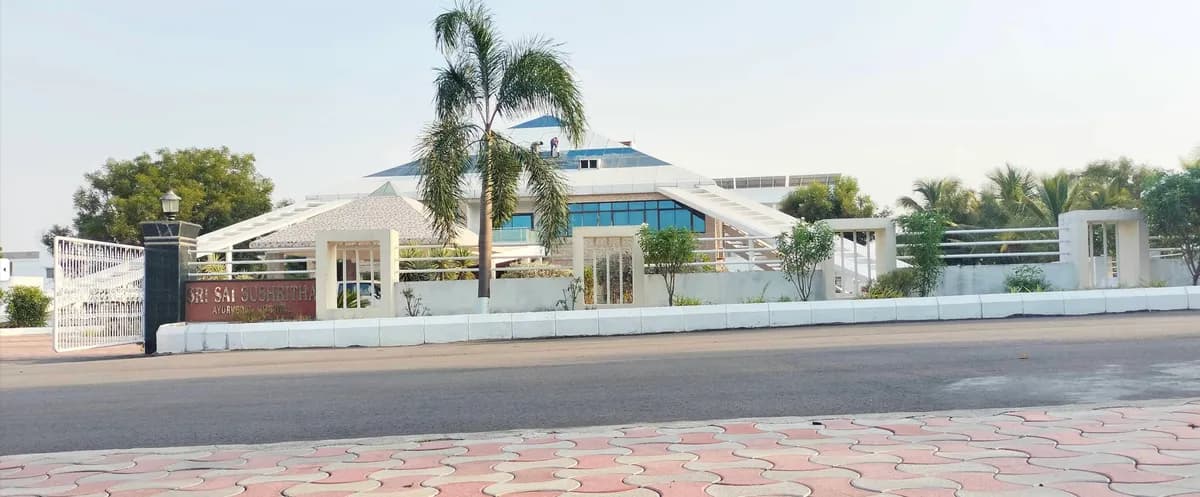
How to Choose the Right Ayurvedic Retreat in Hyderabad: Complete Guide
Expert guidance on evaluating Ayurvedic wellness centers in Hyderabad. Learn what questions to ask, red flags to avoid, and how to ensure you receive authentic, safe treatments.