
Heal Good, Not Just Feel Good: Why Authentic Ayurvedic Treatment Is More Than a Spa Day
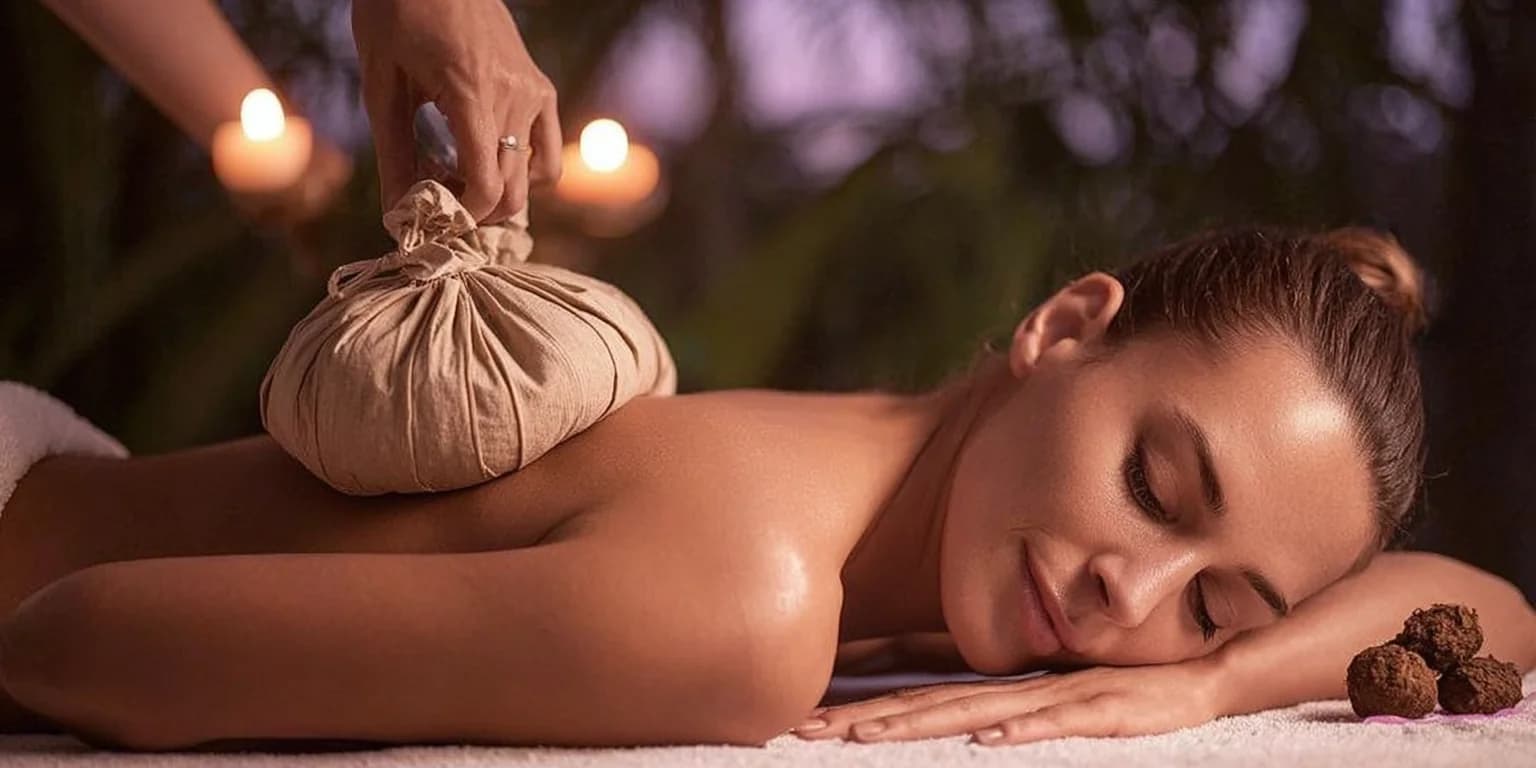
"I thought I knew Ayurveda. I'd had dozens of 'Ayurvedic massages' at luxury spas in Mumbai and Goa. They were lovely—warm oil, soft music, I always left feeling relaxed. But when my chronic migraines and anxiety started interfering with my work, those spa treatments didn't touch the underlying problem. That's when I learned the difference between wellness Ayurveda and medical Ayurveda."
— Priya, 34, Software Engineer from Bangalore
Priya's story is increasingly common. As Ayurveda has entered mainstream wellness culture—celebrated in glossy magazines, five-star resort spas, and Instagram wellness feeds—something fundamental has been lost in translation. The ancient science of medicine has been repackaged as a luxury lifestyle experience. Healing has been replaced with "feeling good."
This isn't just semantics. The difference between authentic Ayurvedic treatment and spa-style "Ayurvedic wellness" can mean the difference between addressing root causes of disease and merely masking symptoms with temporary relaxation.
How We Got Here: The Spa-ification of Ayurveda
Ayurveda's journey into Western wellness culture has been both a blessing and a curse. More people than ever are interested in traditional healing systems. But this popularization has come with significant dilution.
The Wellness Industry Transformation:
- •Medical protocols became "spa treatments": Abhyanga (therapeutic oil massage) is now sold as a luxury relaxation service, stripped of its diagnostic and therapeutic context
- •Doctor supervision disappeared: Traditional Panchakarma requires daily physician evaluation and adjustment—spa versions often have no medical oversight
- •Standardization replaced personalization: Real Ayurveda treats each patient uniquely based on constitution and condition—wellness spas offer standardized "packages"
- •Symptom relief replaced root cause healing: A massage feels good temporarily; clinical treatment addresses why you have pain in the first place
The result? A generation of people who think they've "tried Ayurveda" when they've actually experienced a pleasant but therapeutically incomplete version of it.
The Clinical Difference: What Authentic Treatment Looks Like
Let's return to Priya's story. When she came to our facility, she underwent something completely different from her previous spa experiences.
Priya's Clinical Protocol:
Day 1: Comprehensive Diagnostic Assessment
- 90-minute physician consultation
- Nadi Pariksha (pulse diagnosis) revealing Vata-Pitta imbalance
- Prakriti (constitutional) analysis
- Review of medical history, sleep patterns, digestive function
- Identification of root causes: chronic stress depleting Ojas (vitality), disturbed Prana Vata (nervous system), accumulated Ama (toxins)
Days 2-5: Purva Karma (Preparation Phase)
- Snehana (internal oleation) with medicated ghee to loosen deep-seated toxins
- Specialized Abhyanga using specific herb-infused oils for her condition
- Swedana (therapeutic sweating) to mobilize toxins
- Customized diet to support detoxification
- Daily physician check-ins to monitor progress and adjust protocol
Days 6-9: Pradhana Karma (Main Treatment)
- Virechana (therapeutic purgation) to eliminate Pitta-related toxins
- Nasya (nasal administration) with specific oils for migraines
- Shirodhara (therapeutic oil flow to forehead) for nervous system regulation
- Careful medical monitoring throughout elimination process
Days 10-14: Paschat Karma (Rejuvenation Phase)
- Rasayana therapy (rejuvenation) with prescribed herbal formulations
- Gradual reintroduction of regular diet
- Lifestyle and diet counseling for long-term maintenance
- Take-home herbal medicines and daily routine recommendations
The outcome: After 14 days, Priya's migraines reduced from 12-15 per month to 2-3. Her anxiety significantly decreased. Her sleep quality improved. But more importantly, she understood why she'd been experiencing these symptoms and had tools to prevent their recurrence.
This is what "heal good" looks like—measurable, lasting improvement in underlying health conditions, not just temporary relief.
The Critical Components Missing from Wellness Ayurveda
| Component | Clinical/Medical Ayurveda | Wellness/Spa Ayurveda |
|---|---|---|
| Physician Involvement | BAMS-qualified physician conducts initial diagnosis, creates personalized treatment plan, monitors daily, adjusts protocols as needed | Often no physician; therapists follow standardized protocols; maybe one consultation at start |
| Diagnostic Process | Comprehensive Nadi Pariksha (pulse diagnosis), tongue examination, detailed health history, Prakriti analysis, identification of root causes | Brief questionnaire, maybe basic dosha assessment; no deep diagnostic work |
| Treatment Protocols | Follows three-phase Panchakarma structure (Purva Karma, Pradhana Karma, Paschat Karma); individually customized; medically supervised | Standardized "packages"; may skip preparation or follow-up phases; one-size-fits-all approach |
| Oil Selection | Specific herb-infused medicated oils chosen based on diagnosis; oils prepared according to classical texts | Generic "relaxation oil"; same oil for everyone; may be commercially produced |
| Treatment Goal | Eliminate root cause of disease; restore doshic balance; achieve lasting health improvement; measurable outcomes | Relaxation; stress relief; pleasant experience; temporary symptom management |
| Duration & Structure | Minimum 7-14 days for meaningful results; structured daily schedule; specific sequencing of treatments | Often single sessions or 2-3 days; flexible scheduling; treatments offered à la carte |
| Follow-up Care | Detailed post-treatment guidelines; prescribed herbal medicines; lifestyle modifications; follow-up consultations | General wellness advice; maybe product purchases; no structured follow-up |
The difference isn't just in depth or quality—it's in fundamental approach. Wellness Ayurveda asks "What would feel nice?" Clinical Ayurveda asks "What does this body need to heal?"
When "Feeling Good" Isn't Enough
Spa treatments and wellness experiences have their place. There's nothing wrong with relaxation, self-care, or experiences that help you feel good. The problem arises when:
- ⚠️You have an actual medical condition that requires treatment, not just symptom management
- ⚠️Wellness treatments create false expectations about what Ayurveda can achieve, leading to disappointment
- ⚠️Incomplete or incorrect protocols can be counterproductive or even harmful (Panchakarma detoxification without proper preparation, for example)
- ⚠️You invest time and money in "Ayurveda" that doesn't work, then dismiss the entire medical system as ineffective
Consider these conditions that benefit significantly from authentic clinical Ayurveda but receive minimal benefit from spa treatments:
- •Chronic pain conditions (arthritis, spondylitis, fibromyalgia)
- •Autoimmune disorders
- •Neurological conditions (migraines, neuropathy, early-stage Parkinson's)
- •Metabolic disorders (diabetes, thyroid conditions, PCOS)
- •Chronic digestive disorders (IBS, IBD, chronic constipation)
- •Mental health conditions (clinical anxiety, depression, PTSD)
- •Skin conditions (psoriasis, eczema, chronic urticaria)
For these conditions, "feeling good" after a spa treatment is like putting a bandage on a broken bone. It might provide momentary comfort, but it's not addressing the underlying problem.
How to Recognize Authentic Ayurvedic Treatment
If you're seeking real healing—not just a pleasant spa experience—look for these indicators of authentic clinical practice:
Green Flags: Signs of Authentic Clinical Ayurveda
- ✓Physician-led treatment: A BAMS-qualified doctor (Bachelor of Ayurvedic Medicine and Surgery) conducts your initial assessment and oversees your treatment
- ✓Comprehensive diagnosis: Your first visit includes detailed pulse diagnosis, tongue examination, and extensive health history
- ✓Personalized protocols: Treatment is designed specifically for you, not selected from a menu of standardized packages
- ✓Three-phase structure: Panchakarma includes preparation (Purva Karma), main treatment (Pradhana Karma), and rejuvenation (Paschat Karma)
- ✓Daily monitoring: Physician checks in daily to assess progress and adjust treatment
- ✓Minimum duration: Meaningful treatment programs are typically 7-21 days, not single sessions
- ✓Classical formulations: Herbal medicines follow traditional texts (Charaka Samhita, Sushruta Samhita) or are pharmacy-prepared
- ✓Follow-up care: Post-treatment plan includes specific lifestyle modifications, diet guidelines, and prescribed medicines
- ✓Transparent about contraindications: Some conditions or situations may not be suitable for certain treatments; honest facilities will tell you this
Red Flags: Signs of Wellness-Only Approach
- ✗No physician involvement: Only therapists or "wellness consultants," no medical doctor
- ✗Menu-style selection: You choose treatments à la carte like ordering from a restaurant
- ✗Marketing emphasizes luxury and relaxation: Focus on ambiance, spa amenities, "pampering" rather than medical outcomes
- ✗Single-session offerings: "Try Panchakarma" in a 60-minute session (impossible—actual Panchakarma takes 7-21 days)
- ✗Fusion approaches: "Ayurveda combined with aromatherapy, hot stones, and reflexology" (mixing traditions dilutes therapeutic value)
- ✗No diagnostic process: You book a treatment without any health assessment
- ✗Generic oils and formulations: Same "dosha-balancing oil" for everyone
- ✗No follow-up or post-treatment guidance: Treatment ends when you check out
Making the Right Choice for Your Needs
Both wellness experiences and clinical treatment have their place. The key is being honest about what you need:
Choose wellness/spa Ayurveda if:
- →You're generally healthy and seeking relaxation and stress relief
- →You want to experience Ayurvedic treatments in a low-commitment way
- →Your primary goal is a pleasant, rejuvenating experience
- →You have limited time (1-3 days)
Choose clinical/medical Ayurveda if:
- →You have a specific health condition you want to address
- →You've tried conventional treatment with limited success
- →You want lasting improvement, not just temporary symptom relief
- →You can commit to minimum 7-14 days of treatment
- →You're willing to follow prescribed diet and lifestyle modifications
- →You want physician-supervised, evidence-based care
There's no judgment in choosing either path—but it's important to know which you're choosing and not confuse one for the other.
The Bottom Line: Know What You're Getting
Ayurveda is a complete medical system with thousands of years of clinical refinement. When practiced authentically—with proper diagnosis, physician oversight, personalized treatment protocols, and structured follow-up—it can achieve remarkable results for complex chronic conditions.
The wellness industry's embrace of Ayurvedic aesthetics and techniques has made these treatments more accessible, which is positive. But it's also created confusion about what Ayurveda actually is and what it can achieve.
If you're seeking healing—real, lasting improvement in a health condition—look beyond the spa menu. Seek out facilities where BAMS-qualified physicians lead treatment, where diagnosis precedes therapy, where protocols follow classical texts, and where the goal is to heal, not just to help you feel good for an afternoon.
Because you deserve both: to feel good AND to heal good.
Authentic Ayurvedic treatment can absolutely provide the pleasant, nurturing experience that wellness spas offer—warm oils, soothing environments, caring touch. But it does so in service of a deeper goal: your genuine, measurable, lasting health improvement.
Experience Physician-Led Ayurvedic Treatment
At Sri Sai Sushritha, we practice traditional clinical Ayurveda with BAMS-qualified physicians overseeing all treatments. Our 7-21 day residential programs follow classical Panchakarma protocols, customized to your specific condition and constitution. Located just 45 minutes from Hyderabad, we offer the complete healing experience—not just spa treatments.
Schedule a Medical ConsultationFree initial consultation to discuss your health concerns and determine if our programs are right for you.