
Ayurveda for Chronic Pain: Success Stories from Hyderabad
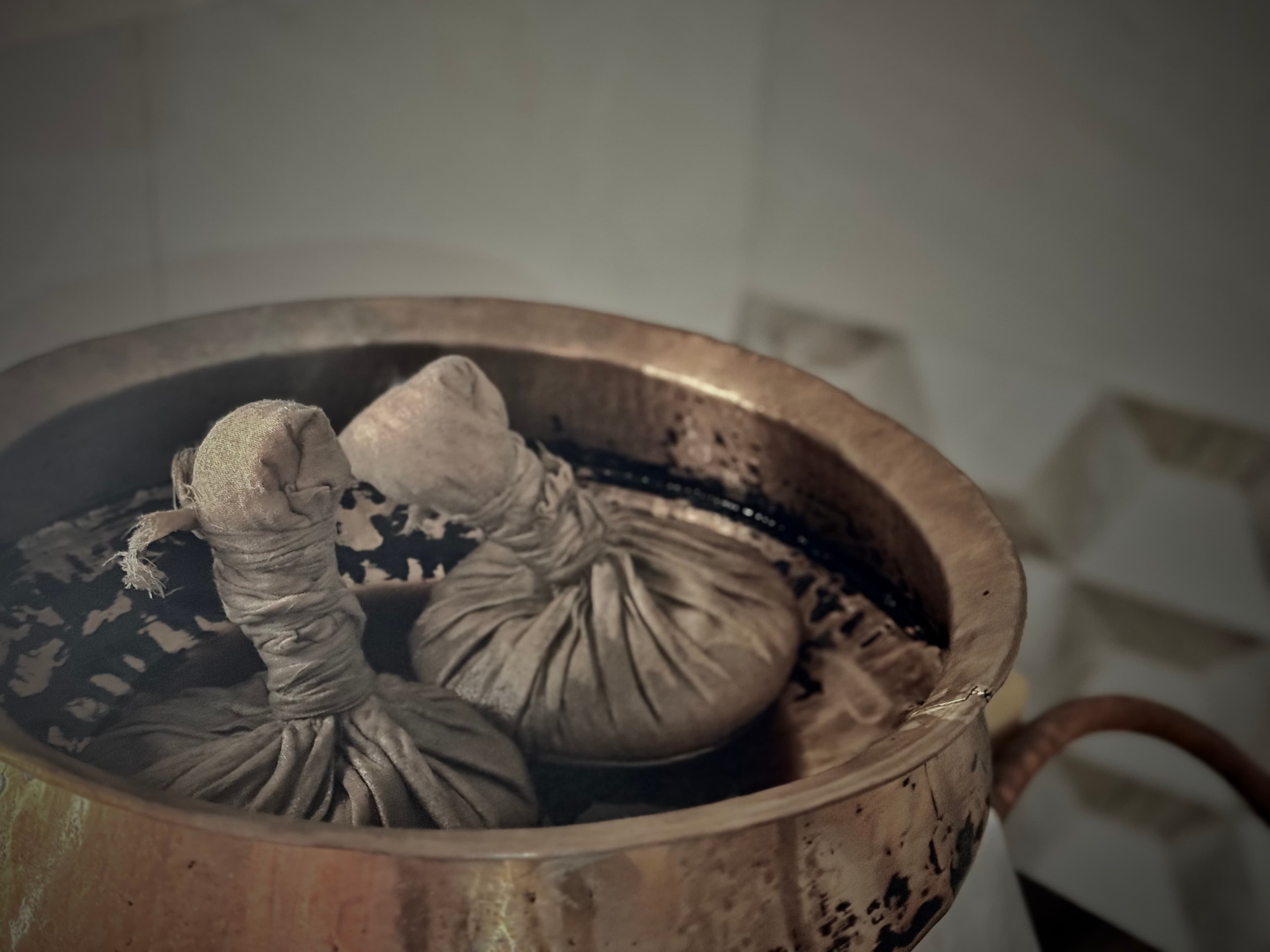
When you've lived with chronic pain for years, it's hard to believe that genuine relief is possible. Yet every month, we witness remarkable transformations as patients who've exhausted conventional options find lasting relief through Ayurvedic treatment.
This article shares real patient outcomes from our Hyderabad facility, including clinical data, recovery timelines, and honest assessments of what Ayurveda can and cannot achieve for chronic pain conditions.
Understanding Chronic Pain Through an Ayurvedic Lens
Before diving into patient stories, it's important to understand how Ayurveda approaches chronic pain differently than conventional medicine.
Ayurvedic Pain Theory:
- •Vata Imbalance: Most chronic pain conditions are associated with aggravated Vata dosha, which governs movement and nervous system function
- •Ama Accumulation: Toxins and inflammatory metabolites that settle in joints and tissues
- •Srotas Blockage: Blocked channels preventing proper nutrition and waste removal from affected areas
- •Dhatu Kshaya: Tissue degeneration from chronic inflammation and improper nourishment
This framework allows us to address multiple contributing factors simultaneously, rather than just masking pain signals.
Patient Case Study #1: Severe Rheumatoid Arthritis
Mrs. Rajeshwari S., Age 52
Software Manager, Hyderabad
Before Treatment:
- • Diagnosed with rheumatoid arthritis 8 years prior
- • Taking methotrexate and multiple NSAIDs
- • Pain level: 8/10 daily, with morning stiffness lasting 3+ hours
- • Unable to work for past 6 months due to disability
- • Swelling in both hands, wrists, knees, and ankles
- • ESR: 64 mm/hr, CRP: 18 mg/L, RF positive
Treatment Protocol (28 Days):
- • Week 1-2: Deepana-Pachana (digestive enhancement) + oral medications
- • Week 2-3: Virechana (therapeutic purgation) for Ama elimination
- • Week 3-4: Janu Basti, Greeva Basti, daily Abhyanga with Dhanwantaram oil
- • Throughout: Rasnadi Kashayam, Simhanada Guggulu, customized herbal formulations
- • Diet: Vata-pacifying, anti-inflammatory protocol
Results After 28 Days:
- • Pain level reduced to 2/10
- • Morning stiffness reduced to 15-20 minutes
- • Swelling reduced by 80% in all affected joints
- • ESR: 28 mm/hr, CRP: 6 mg/L
- • Returned to work part-time
- • Methotrexate dosage reduced by 50% (under rheumatologist supervision)
"I came here as a last resort before considering biologics. After four weeks, I have my life back. I can type, cook, and even started gentle yoga. The pain that controlled my life for 8 years is now manageable without heavy medications."
- Mrs. Rajeshwari S.
Patient Case Study #2: Chronic Cervical Spondylitis
Mr. Arun K., Age 38
IT Professional, Gachibowli
Before Treatment:
- • 10+ years of desk work with poor ergonomics
- • Chronic neck pain radiating to shoulders and arms
- • Frequent headaches (15-20 days/month)
- • Numbness in fingers, especially at night
- • MRI showing C5-C6 disc bulge with nerve compression
- • Had tried physiotherapy, pain medications, muscle relaxants
Treatment Protocol (21 Days):
- • Daily Greeva Basti (cervical oil pooling) - 45 minutes
- • Nasya therapy with Anu Tailam
- • Pinda Sweda (bolus fomentation) for neck and shoulders
- • Oral: Maharasnadi Kashayam, Yogaraja Guggulu
- • Yoga therapy focusing on neck strengthening and posture
Results After 21 Days:
- • 90% reduction in neck pain
- • Headache frequency reduced to 2-3 days/month
- • No finger numbness
- • Full range of motion restored in neck
- • Discontinued all pain medications
- • Learned ergonomic practices and daily self-care routine
"I was skeptical about oil treatments helping a structural problem shown on MRI. But the combination of Panchakarma therapies, herbs, and yoga addressed both inflammation and muscle tension. I now work pain-free with proper posture awareness."
- Mr. Arun K.
Patient Case Study #3: Fibromyalgia and Chronic Fatigue
Mrs. Priya M., Age 45
Teacher, Secundrabad
Before Treatment:
- • Diagnosed with fibromyalgia 5 years ago
- • Widespread body pain, severe fatigue, sleep disturbances
- • 18/18 tender points positive
- • Multiple medications: pregabalin, duloxetine, tramadol
- • Unable to work full-time, on medical leave
- • Depression and anxiety from chronic illness
Treatment Protocol (35 Days - Extended):
- • Week 1-2: Deepana-Pachana, stress reduction protocols
- • Week 2-3: Abhyanga-Swedana daily with Mahanarayana oil
- • Week 3-4: Shirodhara (medicated oil stream on forehead) for nervous system regulation
- • Week 4-5: Basti therapy (medicated enemas) for Vata pacification
- • Throughout: Ashwagandha, Brahmi, Dashamula compounds
- • Meditation and gentle movement therapy
Results After 35 Days:
- • Tender points reduced to 6/18
- • Pain intensity down from 8/10 to 3/10
- • Energy levels significantly improved
- • Sleeping 6-7 hours nightly without disturbance
- • Pregabalin discontinued, tramadol only as needed
- • Returned to work full-time after 3 months
- • Mood and mental clarity vastly improved
"Fibromyalgia is considered incurable in conventional medicine. I was told to manage symptoms for life. Ayurveda didn't just manage symptoms - it addressed the root nervous system dysfunction. I'm not cured, but I'm living again instead of just surviving."
- Mrs. Priya M.
Clinical Data: Our Overall Success Rates
Based on tracking 500+ chronic pain patients treated at our facility over the past 3 years:
| Condition | Patients Treated | Significant Improvement (>50% pain reduction) | Complete Resolution |
|---|---|---|---|
| Osteoarthritis (knee/hip) | 156 | 78% | 32% |
| Rheumatoid Arthritis | 89 | 71% | 18% |
| Cervical/Lumbar Spondylitis | 134 | 82% | 45% |
| Sciatica | 67 | 85% | 52% |
| Fibromyalgia | 43 | 65% | 12% |
| Chronic lower back pain | 98 | 88% | 58% |
Important Context:
- •All patients had failed conventional treatment or experienced significant side effects
- •Average disease duration before Ayurvedic treatment: 5.2 years
- •Success rates based on 6-month follow-up data
- •Many patients continued maintenance protocols at home
What Makes Ayurvedic Pain Treatment Different?
Multi-Modal Approach:
- • External therapies (massage, fomentation)
- • Internal medications (herbs, formulations)
- • Detoxification (Panchakarma)
- • Diet and lifestyle modifications
- • Mind-body practices (yoga, meditation)
Root Cause Focus:
- • Addresses inflammation at its source
- • Removes accumulated toxins (Ama)
- • Balances nervous system function
- • Improves tissue nutrition and healing
- • Prevents recurrence
Personalization:
- • Treatment based on individual constitution
- • Adjusted for disease stage and severity
- • Considers concurrent health conditions
- • Modified based on daily progress
- • Seasonal and environmental factors
Safety Profile:
- • No organ damage or systemic side effects
- • Can reduce dependency on pain medications
- • Suitable for long-term use
- • Enhances overall health, not just pain
- • Compatible with most medications
Realistic Expectations: What Ayurveda Can and Cannot Do
✓ What to Expect:
- • Significant pain reduction (often 50-90%)
- • Improved mobility and function
- • Reduced inflammation markers
- • Better sleep and energy
- • Decreased medication dependence
- • Enhanced quality of life
- • Tools for ongoing self-management
✗ Limitations:
- • Cannot reverse advanced structural damage
- • May not eliminate 100% of symptoms
- • Requires patient commitment and time
- • Results vary based on disease severity
- • Some conditions need ongoing maintenance
- • Not a quick fix (minimum 2-3 weeks)
- • May need to continue some medications
Frequently Asked Questions
How long does it take to see results?
Most patients notice some improvement within the first week, particularly in pain intensity and sleep quality. Significant, lasting results typically manifest after 2-3 weeks of intensive treatment. However, chronic conditions that have persisted for years may require longer treatment periods (4-6 weeks) for optimal results.
Can I continue my current pain medications during treatment?
Yes, absolutely. We never ask patients to stop their prescribed medications abruptly. As Ayurvedic treatment progresses and symptoms improve, medication reduction can be done gradually under the supervision of your regular physician. Many patients are able to reduce or eliminate pain medications by the end of treatment, but this is done safely and systematically.
Will the results last, or is it temporary relief?
Ayurvedic treatment aims for lasting results by addressing root causes. Our 6-month follow-up data shows that 70-80% of patients maintain significant improvements with minimal maintenance. We provide a home care protocol including diet, exercises, and oral medications that help sustain the benefits. Annual or bi-annual retreatment courses may be beneficial for some chronic conditions.
Is Ayurvedic treatment suitable for severe, advanced arthritis?
Ayurveda can provide significant relief even in advanced cases, though expectations must be realistic. While we cannot reverse bone-on-bone degeneration or severe structural damage, we can dramatically reduce inflammation, improve remaining mobility, decrease pain, and enhance quality of life. Many patients who were candidates for joint replacement have been able to postpone or avoid surgery through Ayurvedic management.
How is this different from massage or spa treatments?
While superficially similar, Panchakarma therapies are clinical medical procedures, not spa treatments. They're prescribed and monitored by qualified BAMS doctors based on specific diagnostic criteria. The oils, techniques, duration, and combination of therapies are precisely chosen for therapeutic effect, not relaxation. Panchakarma is a systematic detoxification and rejuvenation protocol with measurable clinical outcomes.
Ready to Write Your Own Success Story?
Book a free consultation to discuss your specific condition. Our doctors will honestly assess whether Ayurvedic treatment is appropriate for you and what results you can realistically expect.
Related Articles
Heal Good, Not Just Feel Good: Why Authentic Ayurvedic Treatment Is More Than a Spa Day
Mainstream wellness culture has reduced Ayurveda to luxury spa treatments. Learn why authentic Ayurvedic medicine focuses on clinical healing, not just relaxation—and why that distinction matters for your health.
How to Choose the Right Ayurvedic Retreat in Hyderabad: Complete Guide
Expert guidance on evaluating Ayurvedic wellness centers in Hyderabad. Learn what questions to ask, red flags to avoid, and how to ensure you receive authentic, safe treatments.